

Chewing gum for a sharper jawline is one of those tips that spreads fast online. It sounds logical: chewing works your jaw, so more chewing means a stronger jaw, right? The truth is more nuanced. Here is what chewing gum actually does and does not do for your jawline.
Does chewing gum work your jaw? Yes, a little
Chewing does engage the muscles of your jaw, so gum is not useless. Over time, regular chewing can give those muscles some light activity, the same way walking gives your legs some light activity. If you never chew anything challenging, adding some resistance through chewing is better than nothing.
Why gum alone falls short
The problem is resistance and control. Regular gum is soft, and it gets softer the longer you chew. That means the load is light and it drops off quickly, so the muscles are barely challenged. Real muscle change comes from progressive resistance, load that stays meaningful and increases as you get stronger. Soft gum cannot give you that.
There are downsides too. Chewing gum for hours to chase a jawline can lead to jaw fatigue or discomfort, and if you already clench or have any jaw sensitivity, overdoing gum can make it worse. And most gum is full of sugar or sweeteners you may not want that much of.
A better version of the same idea
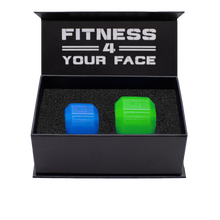
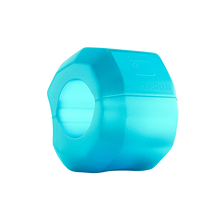
The instinct behind the gum tip is right: resistance for your jaw builds the muscle. The fix is to use something built for it. A jaw exerciser gives you firm, consistent resistance that you can dial up as you get stronger, in a few focused minutes rather than hours of chewing. Same principle, done properly, without the sugar or the all-day jaw fatigue.
The bottom line
Chewing gum gives your jaw a little work, but it is too soft and too uncontrolled to reshape your jawline on its own. If the goal is a firmer, more defined jaw, use real resistance made for the job.
Swap soft gum for real resistance
Shop Jawzrsize jaw exercisers or start with the Total Transformation Kit. Backed by a 60-day guarantee.
Also read: Jawzrsize vs mewing.